Global Japanese Sushi Rolls
Highlighted under: Foreign Foods | New Tastes
I love making sushi at home because it brings together fresh, vibrant ingredients and offers endless possibilities for creativity! This recipe for Global Japanese Sushi Rolls is a delightful way to enjoy a taste of Japan right in my kitchen. The combination of fresh vegetables, fish, and a touch of sauce creates a mouthwatering experience that can impress anyone at the dinner table. Plus, rolling your own sushi is a fun activity that invites friends and family to join in, making it a perfect dish for gatherings or a leisurely weekend meal.
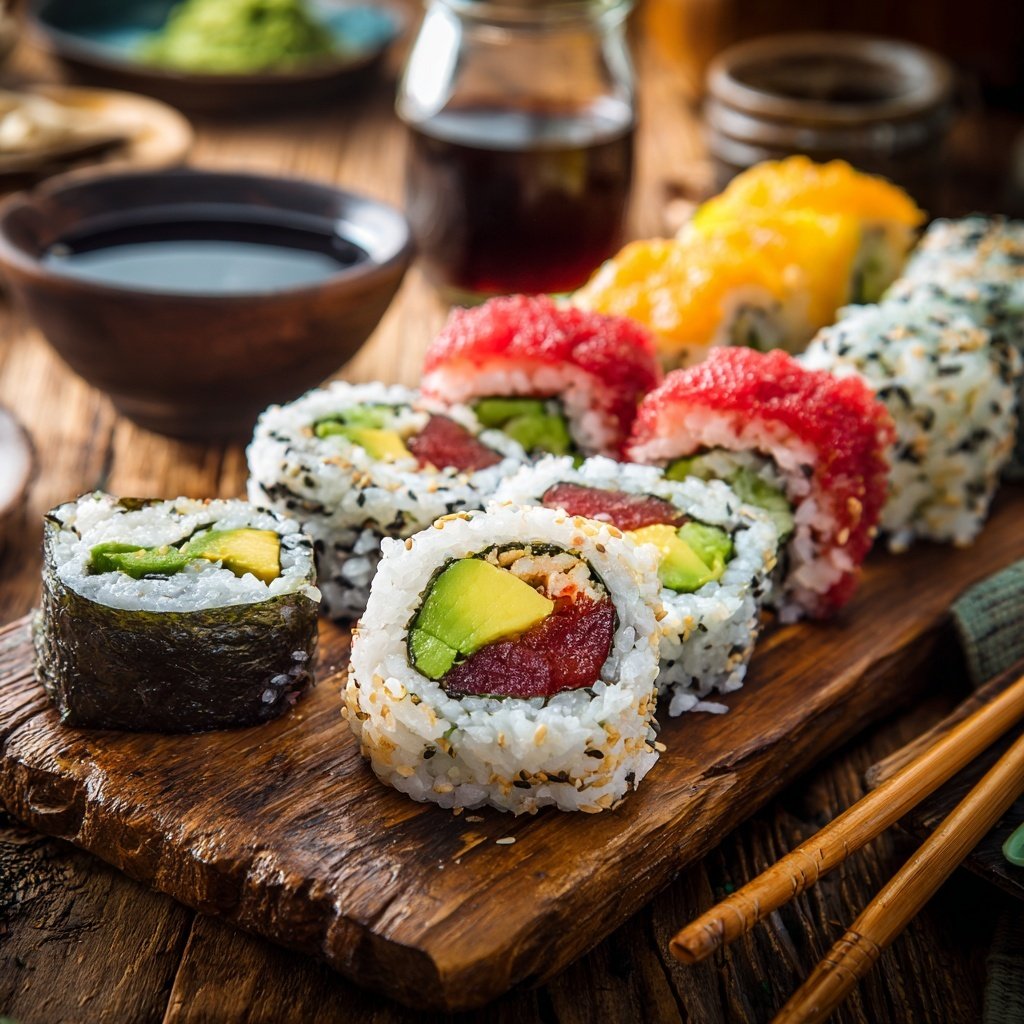
When I first ventured into making sushi at home, I was intimidated by the technique and the precision required. However, after a few attempts, I discovered that with quality ingredients and a little patience, it can be incredibly rewarding. I experimented with different fillings and sauces, ultimately settling on a blend that reflects my tastes and celebrates the fresh flavors of Japanese cuisine.
One of my favorite tips is to keep a bowl of water nearby while rolling. Dipping my fingers in water prevented the rice from sticking to me, allowing for a much cleaner, smoother rolling process. This small detail made a huge difference in the final presentation of my sushi rolls!
Why You Will Love These Rolls
- Fresh ingredients wrapped in tangy rice
- Versatile fillings to customize to your taste
- Perfect for sharing with friends and family
Mastering Sushi Rice
The quality of your sushi rolls depends greatly on the sushi rice. The first step, rinsing the rice, is crucial as it removes excess starch that can make your rolls gummy. Aim to rinse until the water is crystal clear. Once cooked, letting the rice cool to room temperature is key; warm rice can cause the nori to become lax and soggy.
After folding in the rice vinegar, sugar, and salt, let the seasoned rice sit for a few minutes. This resting time allows the flavors to meld beautifully. The result should be slightly sticky, yet each grain should remain distinct, making it easier to handle and roll.
Perfecting Your Roll
The technique of rolling sushi can be tricky at first, but practice makes perfect. When you lay your fillings on the rice, avoid overstuffing; too many ingredients can make it challenging to roll tightly. A good rule of thumb is to use about a handful of rice and align your fillings in a single layer. This will create a balanced bite every time.
As you start to roll, keep applying light pressure with the sushi mat to maintain the shape. If you find your roll is not coming together, a slight adjustment in pressure can often help. Remember to keep a small bowl of water to dip your fingers into; this prevents sticking and helps seal the roll when you finish.
Serving and Storing
Serving your sushi rolls is an opportunity to showcase creativity. Consider using garnishes such as sesame seeds, chopped green onions, or even a drizzle of spicy mayo to elevate your dish. Placing the sliced rolls on a wooden sushi board can also enhance presentation, making it feel restaurant-worthy right at home.
If you have leftover sushi, it's best to store it wrapped in plastic wrap in the refrigerator. Sushi is best consumed fresh, but it can last for up to 24 hours with good storage. Reheating sushi isn't recommended, as it can ruin the texture, butseiving with freshly prepared dipping sauces can breathe new life into day-old rolls.
Ingredients
Sushi Ingredients
- 2 cups sushi rice
- 2 1/2 cups water
- 1/4 cup rice vinegar
- 2 tablespoons sugar
- 1 teaspoon salt
- 4 sheets nori (seaweed)
- 1/2 cucumber, julienned
- 1 avocado, sliced
- 4 ounces raw fish (like salmon or tuna), cut into strips
- Soy sauce and wasabi for serving
Instructions
Prepare Your Sushi Rolls
Prepare the Sushi Rice
Rinse the sushi rice under cold water until the water runs clear. Combine the rice and water in a rice cooker and cook according to the manufacturer's instructions. Once cooked, transfer to a bowl and gently fold in the rice vinegar, sugar, and salt. Allow to cool to room temperature.
Assemble the Rolls
Place a sheet of nori, shiny side down, on a bamboo sushi mat. Wet your hands and take a handful of sushi rice, pressing it evenly onto the nori, leaving about an inch at the top edge. Lay down your fillings (cucumber, avocado, fish) in a line across the middle of the rice. Using the mat, roll the nori tightly from the bottom edge, applying gentle pressure as you go.
Slice and Serve
Once rolled, use a sharp knife dipped in water to slice the roll into 6-8 pieces. Serve with soy sauce and wasabi on the side for dipping.
Enjoy Your Sushi!

Pro Tips
- For added flavor, try customizing your sushi rolls with different fillings like crab sticks, shrimp tempura, or pickled vegetables. The key is to have everything prepared and ready to roll to make the process easier and more enjoyable.
Ingredient Variations
While salmon and tuna are popular choices for sushi, don't hesitate to experiment with other proteins. Cooked shrimp, crab, or even tofu can make excellent fillings. For a vegetarian option, consider using marinated mushrooms, pickled radish, or tempura vegetables for a great texture contrast with the rice.
If you're looking for an extra crunch, include some toasted seaweed chips or tempura flakes. Alternatively, using flavored sushi rice by adding a dash of sea salt or lemon juice can add a delightful twist to the traditional flavor.
Troubleshooting Common Issues
If your sushi rolls are falling apart, reevaluate your rolling technique. Ensuring you apply consistent pressure while rolling and not overloading the filling can help maintain structure. An excessively wet nori can also weaken the roll, so make sure to dry it slightly with a paper towel if necessary.
Another common issue is rice that doesn’t stick together. If this happens, make sure you haven’t rinsed the rice too thoroughly, and consider increasing the amount of rice vinegar slightly in the next batch. This not only adds flavor but also acts as a binding agent.
Make-Ahead Tips
Preparing sushi rice in advance is a great time-saver. You can cook it the day before and store it in the refrigerator, just be sure to rehydrate it slightly with a bit of water before rolling. This will bring back the moisture and stickiness needed for perfect sushi rolls.
Another make-ahead option is slicing your vegetables and fish ahead of time, which can help streamline the assembly process. Remember to keep them covered to maintain freshness, and always roll your sushi just before serving to enjoy the best texture.
Questions About Recipes
→ Can I use cooked fish in sushi?
Yes, absolutely! Cooked fish such as eel or crab is commonly used in sushi, just ensure it's fresh and properly prepared.
→ What type of rice is best for sushi?
Sushi rice is specifically short-grain rice that becomes sticky when cooked, which is ideal for rolling and holding the ingredients together.
→ How do I prevent the nori from becoming soggy?
To maintain the crispness of the nori, roll your sushi right before serving and try to eat it quickly after it's made.
→ What sides can I serve with sushi?
Popular sides include miso soup, edamame, or a simple seaweed salad to complement the meal.
Global Japanese Sushi Rolls
Created by: The Ninasrecipes Team
Recipe Type: Foreign Foods | New Tastes
Skill Level: Intermediate
Final Quantity: 4 rolls
What You'll Need
Sushi Ingredients
- 2 cups sushi rice
- 2 1/2 cups water
- 1/4 cup rice vinegar
- 2 tablespoons sugar
- 1 teaspoon salt
- 4 sheets nori (seaweed)
- 1/2 cucumber, julienned
- 1 avocado, sliced
- 4 ounces raw fish (like salmon or tuna), cut into strips
- Soy sauce and wasabi for serving
How-To Steps
Rinse the sushi rice under cold water until the water runs clear. Combine the rice and water in a rice cooker and cook according to the manufacturer's instructions. Once cooked, transfer to a bowl and gently fold in the rice vinegar, sugar, and salt. Allow to cool to room temperature.
Place a sheet of nori, shiny side down, on a bamboo sushi mat. Wet your hands and take a handful of sushi rice, pressing it evenly onto the nori, leaving about an inch at the top edge. Lay down your fillings (cucumber, avocado, fish) in a line across the middle of the rice. Using the mat, roll the nori tightly from the bottom edge, applying gentle pressure as you go.
Once rolled, use a sharp knife dipped in water to slice the roll into 6-8 pieces. Serve with soy sauce and wasabi on the side for dipping.
Extra Tips
- For added flavor, try customizing your sushi rolls with different fillings like crab sticks, shrimp tempura, or pickled vegetables. The key is to have everything prepared and ready to roll to make the process easier and more enjoyable.
Nutritional Breakdown (Per Serving)
- Calories: 300 kcal
- Total Fat: 10g
- Saturated Fat: 1.5g
- Cholesterol: 30mg
- Sodium: 650mg
- Total Carbohydrates: 45g
- Dietary Fiber: 3g
- Sugars: 1g
- Protein: 8g