Lemon Lavender Spring Cake
Highlighted under: Dessert Recipes
I can't express how much I adore springtime, and this Lemon Lavender Spring Cake captures that feeling beautifully. The bright flavor of fresh lemons combined with the subtle floral notes of lavender creates a light and refreshing dessert that is perfect for any occasion. Whether I'm having friends over for tea or celebrating a special birthday, this cake always brings smiles. The moist cake paired with a creamy lemon frosting takes it to another level, making it a delightful treat that’s just a little sophisticated.
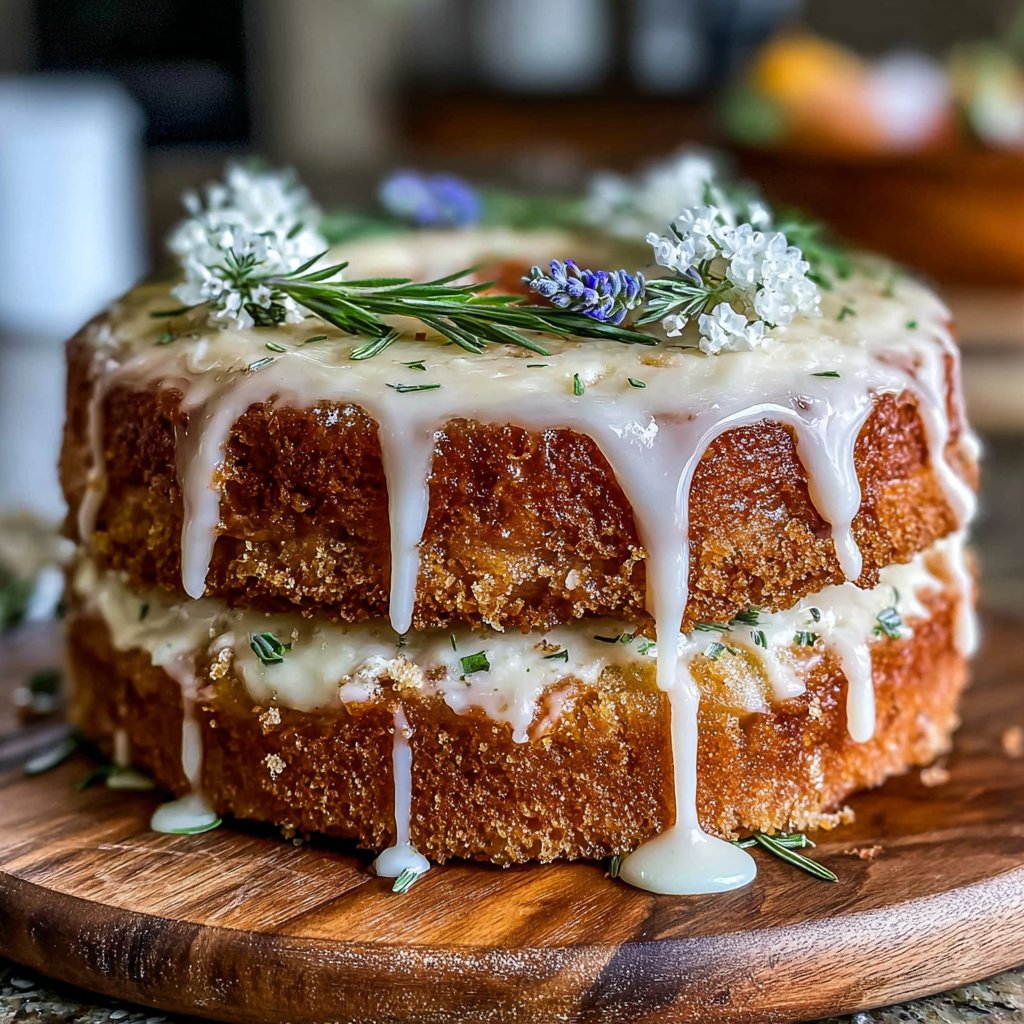
When I first experimented with combining lemon and lavender, I was pleasantly surprised by how well they complemented each other. The bright acidity of the lemon cuts through the sweetness, while the lavender adds an aromatic depth that makes each bite feel special. I recommend using culinary lavender, as it provides a more potent flavor and fragrance compared to regular dried lavender.
This cake also benefits from a simple syrup brushed on top after baking, ensuring that it remains moist and decadent. It’s a technique I've found to be essential, especially in preventing dry cakes. Plus, it gives each slice an irresistible sheen!
Why You'll Love This Cake
- A refreshing taste that embodies the spirit of spring
- Elegant presentation that impresses at gatherings
- Floral aroma that fills your kitchen while baking
The Role of Fresh Ingredients
Using freshly squeezed lemon juice is crucial in this Lemon Lavender Spring Cake, as it brightens the overall flavor profile. Store-bought lemon juice often lacks the vibrant acidity and fragrance that freshly squeezed juice provides. When zesting the lemons, be sure to use a microplane to capture the aromatic oils from the skin without the bitter white pith, further enhancing the cake’s taste.
Culinary lavender plays a significant role in this recipe, adding a subtle floral touch. Make sure to use culinary-grade lavender, as other varieties may not be safe for consumption. A little goes a long way; if you're hesitant about the intensity, start with half the recommended amount and adjust according to your taste preferences.
Baking Tips for Perfect Layers
When you divide the batter into your prepared cake pans, use a kitchen scale for accuracy to ensure even layers. This helps each cake layer bake uniformly, preventing one from doming while the other flattens. If you notice your cakes have uneven tops after baking, level them with a serrated knife to achieve a more professional look before frosting.
Keep an eye on the baking time; ovens can vary significantly. Start checking for doneness at around 28 minutes. Insert a toothpick in the center — it should come out clean or with a few moist crumbs. Avoid overbaking, as this will dry out the cake and detract from its moist texture.
Ingredients
Gather these ingredients before you start for a smooth baking experience:
For the Cake
- 1 1/2 cups all-purpose flour
- 1 cup granulated sugar
- 1/2 cup unsalted butter, softened
- 2 large eggs
- 1/2 cup freshly squeezed lemon juice
- 1 tablespoon lemon zest
- 1 teaspoon culinary lavender, dried
- 1 teaspoon baking powder
- 1/2 teaspoon baking soda
- 1/4 teaspoon salt
For the Frosting
- 1/2 cup unsalted butter, softened
- 2 cups powdered sugar
- 3 tablespoons lemon juice
- 1 teaspoon vanilla extract
- 1 teaspoon culinary lavender, dried (optional, for garnish)
Make sure to use fresh ingredients for the best flavor!
Instructions
Follow these steps carefully to create your cake:
Prepare the Oven and Pans
Preheat your oven to 350°F (175°C). Grease and flour two 9-inch round cake pans.
Mix the Dry Ingredients
In a bowl, whisk together the flour, baking powder, baking soda, and salt.
Cream Butter and Sugar
In a separate bowl, cream the softened butter and granulated sugar until light and fluffy.
Add Eggs and Lemon
Add the eggs one at a time, mixing well after each addition. Then, stir in the lemon juice, lemon zest, and culinary lavender.
Combine Mixtures
Gradually add the dry ingredients to the wet mixture, blending until just combined.
Bake the Cakes
Divide the batter evenly between the prepared pans and smooth the tops. Bake for 30-35 minutes or until a toothpick inserted in the center comes out clean.
Make the Frosting
While the cakes are baking, prepare the frosting by beating together the softened butter, powdered sugar, lemon juice, and vanilla extract until smooth and creamy.
Cool and Frost
Once the cakes are completely cool, place one layer on a serving plate, spread frosting on top, then place the second layer and frost the top and sides.
Garnish
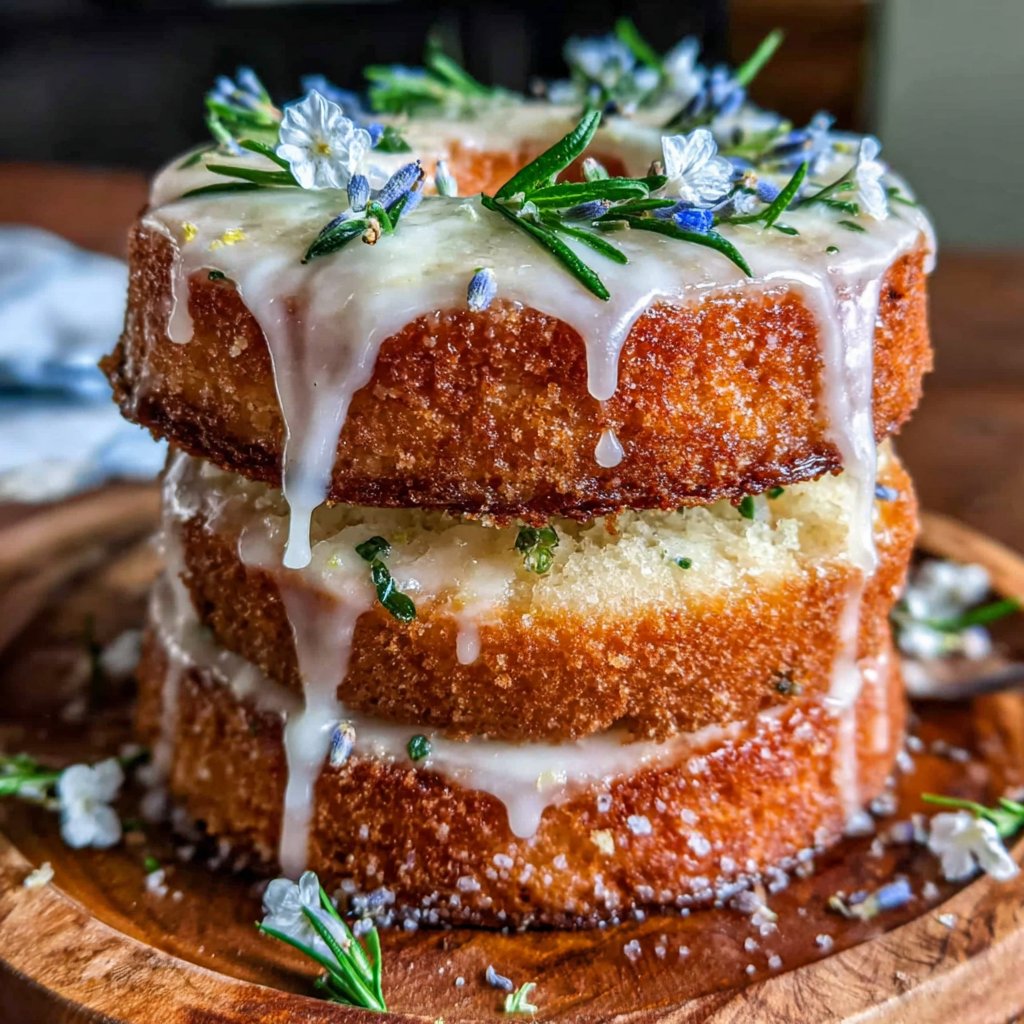
Optionally, sprinkle some dried culinary lavender on top as garnish before serving.
Don’t forget to enjoy your beautiful creation!
Pro Tips
- For a more intense lavender flavor, infuse the milk with lavender overnight before using it in the cake.
Make-Ahead and Storage
This Lemon Lavender Spring Cake is a great candidate for make-ahead preparation. You can bake the cake layers a day in advance and wrap them tightly in plastic wrap once completely cooled. Store them in the refrigerator to maintain moisture. When you're ready to frost, allow the cakes to come to room temperature for the best texture and flavor.
If you have leftover cake, store it in an airtight container at room temperature for up to three days. You can also refrigerate it for longer freshness, but be aware that refrigeration may affect the cake's delicacy. For longer storage, consider freezing it — simply wrap the layers tightly and freeze. Thaw in the refrigerator overnight before serving.
Variations and Serving Suggestions
You can easily modify this recipe by adding a layer of fresh berries such as strawberries or blueberries between the cake layers or around the edges. The tartness of the berries complements the lemon flavor beautifully, adding a pop of color and extra freshness to the presentation. For a richer experience, consider filling the cake with whipped cream or a lemon curd layer.
When serving, I suggest pairing the cake with a light herbal tea or lemonade to enhance its refreshing qualities. A sprinkle of powdered sugar over the frosted cake can also add a touch of elegance, especially if you're looking to impress at gatherings or special occasions. Don’t be afraid to get creative with garnishes like lemon slices or a drizzle of honey for added flair!
Questions About Recipes
→ Can I use fresh lavender instead of dried?
Yes, but make sure it’s culinary lavender and use half the amount since fresh herbs are usually more potent.
→ How can I make this cake gluten-free?
Substitute the all-purpose flour with a gluten-free blend, and make sure all other ingredients are gluten-free.
→ Can I freeze this cake?
Absolutely! Wrap the cooled cakes tightly in plastic wrap and freeze for up to three months.
→ What can I substitute for lemon juice?
You can use lime juice as an alternative, but it will change the flavor profile slightly.
Lemon Lavender Spring Cake
Created by: The Ninasrecipes Team
Recipe Type: Dessert Recipes
Skill Level: Intermediate
Final Quantity: 8 servings
What You'll Need
For the Cake
- 1 1/2 cups all-purpose flour
- 1 cup granulated sugar
- 1/2 cup unsalted butter, softened
- 2 large eggs
- 1/2 cup freshly squeezed lemon juice
- 1 tablespoon lemon zest
- 1 teaspoon culinary lavender, dried
- 1 teaspoon baking powder
- 1/2 teaspoon baking soda
- 1/4 teaspoon salt
For the Frosting
- 1/2 cup unsalted butter, softened
- 2 cups powdered sugar
- 3 tablespoons lemon juice
- 1 teaspoon vanilla extract
- 1 teaspoon culinary lavender, dried (optional, for garnish)
How-To Steps
Preheat your oven to 350°F (175°C). Grease and flour two 9-inch round cake pans.
In a bowl, whisk together the flour, baking powder, baking soda, and salt.
In a separate bowl, cream the softened butter and granulated sugar until light and fluffy.
Add the eggs one at a time, mixing well after each addition. Then, stir in the lemon juice, lemon zest, and culinary lavender.
Gradually add the dry ingredients to the wet mixture, blending until just combined.
Divide the batter evenly between the prepared pans and smooth the tops. Bake for 30-35 minutes or until a toothpick inserted in the center comes out clean.
While the cakes are baking, prepare the frosting by beating together the softened butter, powdered sugar, lemon juice, and vanilla extract until smooth and creamy.
Once the cakes are completely cool, place one layer on a serving plate, spread frosting on top, then place the second layer and frost the top and sides.
Optionally, sprinkle some dried culinary lavender on top as garnish before serving.
Extra Tips
- For a more intense lavender flavor, infuse the milk with lavender overnight before using it in the cake.
Nutritional Breakdown (Per Serving)
- Calories: 320 kcal
- Total Fat: 15g
- Saturated Fat: 9g
- Cholesterol: 65mg
- Sodium: 150mg
- Total Carbohydrates: 40g
- Dietary Fiber: 1g
- Sugars: 25g
- Protein: 3g