Elderflower Citrus Spring Cake
Highlighted under: Dessert Recipes
When I think of spring, I imagine the delightful combination of fresh citrus and the floral notes of elderflower. This Elderflower Citrus Spring Cake has quickly become one of my favorite recipes to share during gatherings and celebrations. The light and airy sponge paired with the zesty lemon and lime syrup keeps things refreshing, and the elderflower frosting brings it all together beautifully. It’s perfect for afternoon tea or a springtime dessert, and I can’t wait for you to try this sweet creation!
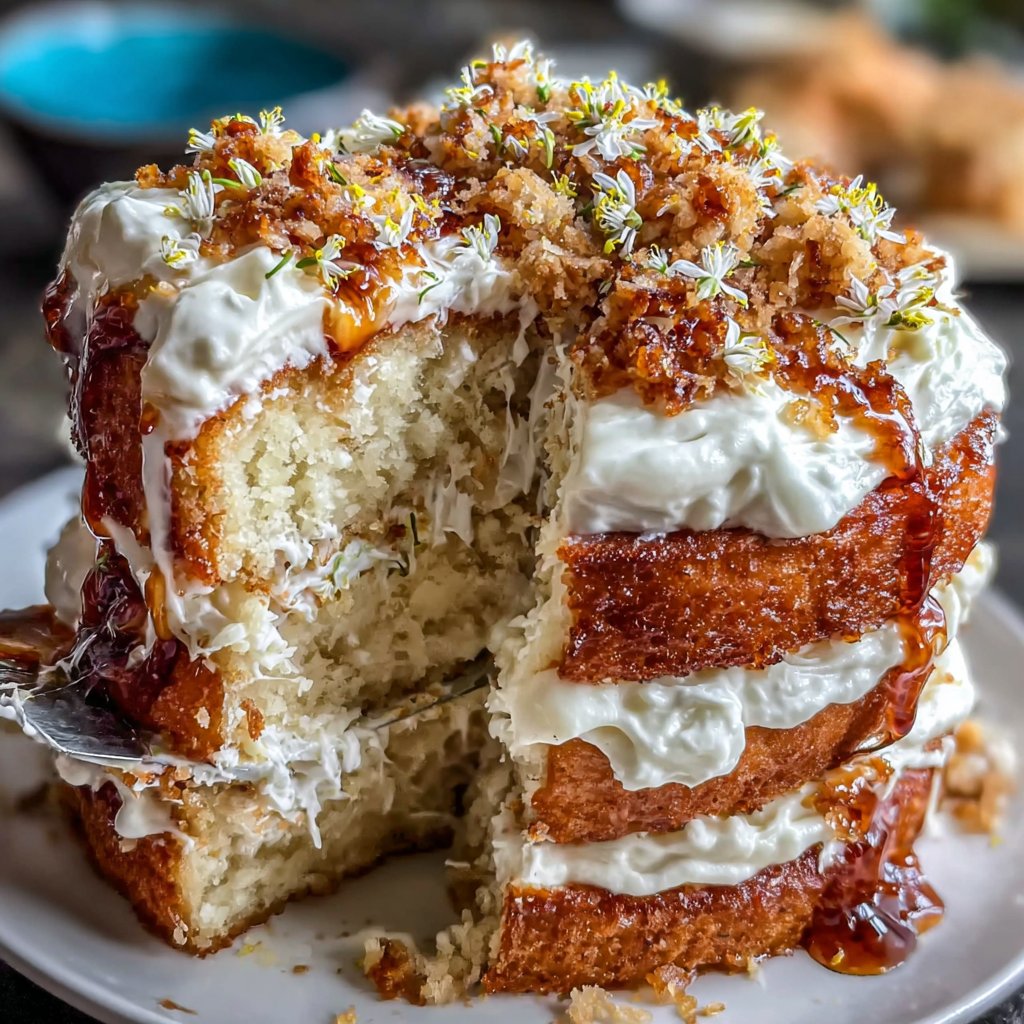
My journey to perfecting the Elderflower Citrus Spring Cake began last spring when I wanted to capture the essence of the season in a dessert. I experimented with various flavor combinations and settled on the refreshing duo of citrus and elderflower. The trick to achieving a moist cake lies in properly creaming the butter and sugar, which introduces air and gives it that airy texture.
During one of my tastings, I decided to add a drizzle of elderflower syrup over the top of the cake, and it transformed the flavor profile. It brought forward the floral notes and enhanced the citrus, making the cake incredibly fragrant and delicious. Trust me; this little addition will take your baking to the next level!
Why You Will Love This Recipe
- A delightful blend of floral and citrus flavors
- Light and moist texture that melts in your mouth
- An eye-catching presentation perfect for gatherings
The Importance of Zesting
Zesting the lemon and lime is an essential step that adds a bright flavor profile to the cake. The zest contains oil from the fruit's skin, which is where a lot of the aromatic and flavorful compounds reside. This subtly enhances the citrus notes, making the cake more vibrant and aromatic. Make sure to use a fine grater or zester for even zesting, avoiding the bitter white pith beneath the skin.
It's best to zest the fruits before juicing them to ensure you get the maximum flavor. This can be done quickly but requires a bit of technique—hold the zester at a slight angle to remove just the colored part of the peel. If you're in a pinch for time, you can consider using store-bought zest, although freshly zested citrus usually yields more flavorful results.
Choosing the Right Flour
All-purpose flour is the ideal choice for this cake as it strikes the perfect balance between structure and tenderness. It has a moderate protein content that will help create a light and airy texture. If you want a slightly denser cake, you can substitute a portion of the all-purpose flour with cake flour, which has a lower protein content. This adaptation can give the cake an even softer crumb.
Ensure your flour is freshly measured by spooning it into a measuring cup and leveling it off with a knife. Too much flour can lead to a dry cake, while too little can make it fall apart. For accuracy, I recommend using a kitchen scale whenever possible, as weights can vary significantly based on the method of measuring.
Enhancing the Elderflower Flavor
Elderflower syrup not only sweetens the cake; it also adds a unique floral note that ties the flavors together. When selecting elderflower syrup, look for high-quality, natural options without artificial flavors. This will ensure that the delicate elderflower essence shines through in the frosting and cake itself.
Consider experimenting with elderflower liqueur in place of syrup for an adult twist on this cake. Just be mindful that this will add alcohol content and can intensify the flavor, so adjust the amount according to your taste preference. Always taste as you go—this is the key to achieving a well-balanced floral-citrusy delight.
Ingredients
For the Cake
- 200g all-purpose flour
- 200g granulated sugar
- 100g unsalted butter, softened
- 3 large eggs
- 100ml milk
- 2 teaspoons baking powder
- Zest of 1 lemon
- Zest of 1 lime
- Pinch of salt
For the Syrup
- Juice of 1 lemon
- Juice of 1 lime
- 100ml elderflower syrup
For the Frosting
- 250g unsalted butter, softened
- 500g powdered sugar
- 50ml elderflower syrup
- 2 tablespoons milk
- Zest of 1 lemon
Method
Instructions
Prepare the Cake
Preheat the oven to 180°C (350°F) and grease two 8-inch round cake pans. In a mixing bowl, cream together the softened butter and sugar until light and fluffy. Add the eggs one at a time, mixing well after each addition. Stir in the milk and the zests of lemon and lime.
Combine Dry Ingredients
In another bowl, whisk together the flour, baking powder, and salt. Gradually add the dry ingredients to the wet ingredients, mixing until just combined. Pour the batter evenly into the prepared pans.
Bake the Cake
Bake in the preheated oven for about 30 minutes or until a toothpick inserted into the center comes out clean. Let the cakes cool in the pans for 10 minutes before transferring them to a wire rack to cool completely.
Prepare the Syrup
In a small saucepan, combine the lemon juice, lime juice, and elderflower syrup. Heat gently until just warm, then set aside to cool.
Make the Frosting
In a mixing bowl, beat the softened butter until creamy. Gradually add the powdered sugar and mix well. Incorporate the elderflower syrup, milk, and lemon zest until smooth and spreadable.
Assemble the Cake
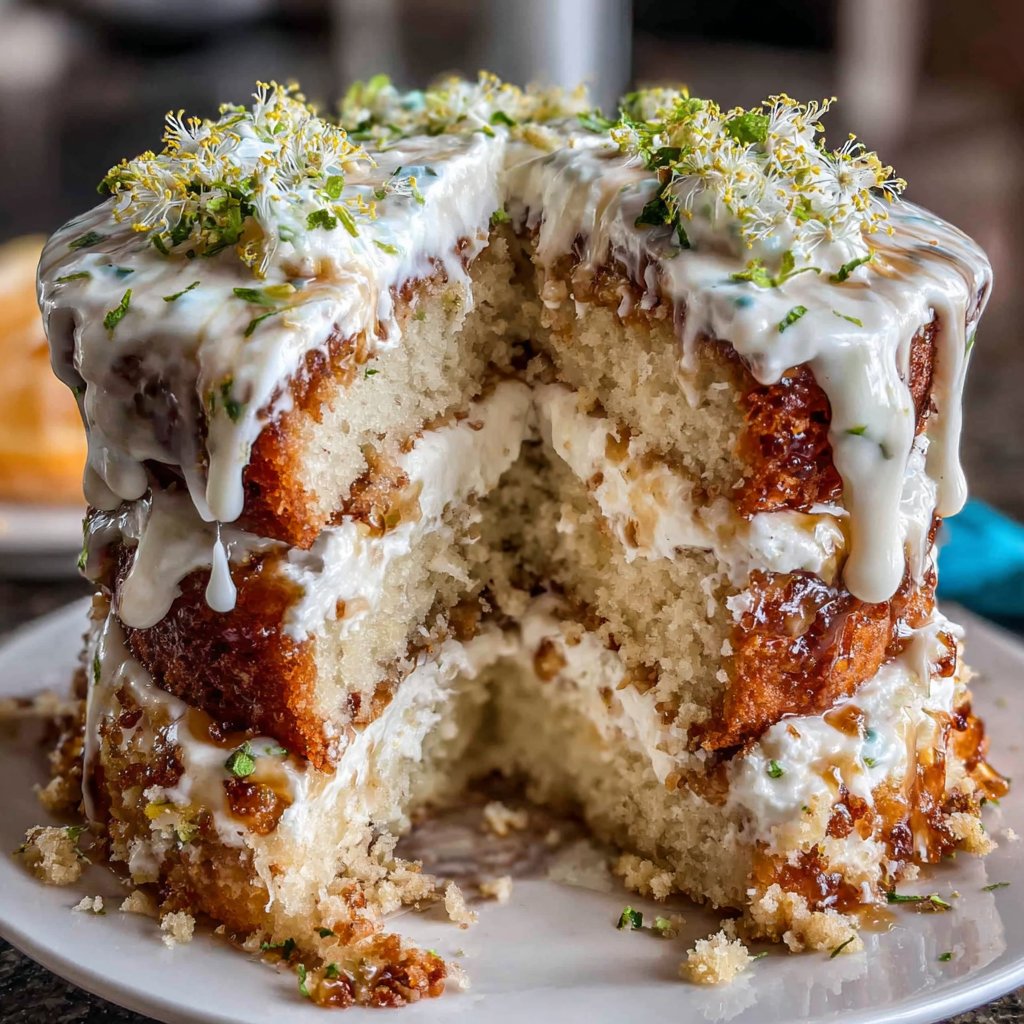
Once the cakes are completely cool, drizzle half of the syrup over each layer of cake. Place one layer on a serving plate, spread a layer of frosting on top, then place the second layer on top. Frost the top and sides of the cake as desired.
Enjoy Your Cake!
Pro Tips
- To elevate this cake even further, consider adding edible flowers for decoration. They not only enhance the visual appeal but also echo the delightful elderflower theme!
Storage Tips
This Elderflower Citrus Spring Cake can be stored at room temperature for up to three days, especially if kept in an airtight container. If you live in a particularly warm climate, you might want to refrigerate it to preserve the frosting's integrity, but be sure to let it come back to room temperature before serving for the best flavor and texture.
If you want to prepare this cake in advance, you can bake the layers, let them cool completely, and freeze them wrapped tightly in plastic wrap for up to one month. Just make sure to frost it after thawing to maintain a fresh and fluffy texture that complements the vibrant flavors.
Serving Suggestions
This cake pairs wonderfully with a cup of floral tea, such as chamomile or a light Earl Grey, which will enhance its aromatic qualities. Adding fresh fruit as a garnish, like berries or edible flowers, can also elevate its presentation, making it perfect for special spring occasions or afternoon gatherings.
For those who enjoy a bit of crunch, consider serving this cake with a side of honey-roasted nuts. The nuttiness contrasts nicely with the cake's softness, while the honey brings out the elderflower notes. This creates a more complex flavor experience that is sure to impress your guests.
Variations to Try
Feel free to experiment with different citrus fruits, such as orange or grapefruit, to create unique flavor twists. You can even mix and match zests to bring a personalized touch to your cake. Just keep in mind that varying the type of citrus may require adjustments in sweetness, so always taste the batter before baking.
If you're looking for a dairy-free version, you can substitute the butter with a plant-based alternative and use almond or coconut milk in place of regular milk. This modification allows you to enjoy the same light texture and refreshing flavor without compromising dietary needs.
Questions About Recipes
→ Can I use another type of syrup instead of elderflower?
Yes, you can substitute with lavender syrup or any other floral syrup, but be aware that the flavor will change.
→ How can I store the leftover cake?
Store it in an airtight container in the refrigerator for up to 3 days. Bring it to room temperature before serving for the best taste.
→ Can I make this cake gluten-free?
Absolutely! Use a gluten-free all-purpose flour blend to make this recipe gluten-free.
→ What can I serve with this cake?
This cake pairs beautifully with a dollop of whipped cream or a scoop of vanilla ice cream.
Elderflower Citrus Spring Cake
Created by: The Ninasrecipes Team
Recipe Type: Dessert Recipes
Skill Level: Intermediate
Final Quantity: 8 servings
What You'll Need
For the Cake
- 200g all-purpose flour
- 200g granulated sugar
- 100g unsalted butter, softened
- 3 large eggs
- 100ml milk
- 2 teaspoons baking powder
- Zest of 1 lemon
- Zest of 1 lime
- Pinch of salt
For the Syrup
- Juice of 1 lemon
- Juice of 1 lime
- 100ml elderflower syrup
For the Frosting
- 250g unsalted butter, softened
- 500g powdered sugar
- 50ml elderflower syrup
- 2 tablespoons milk
- Zest of 1 lemon
How-To Steps
Preheat the oven to 180°C (350°F) and grease two 8-inch round cake pans. In a mixing bowl, cream together the softened butter and sugar until light and fluffy. Add the eggs one at a time, mixing well after each addition. Stir in the milk and the zests of lemon and lime.
In another bowl, whisk together the flour, baking powder, and salt. Gradually add the dry ingredients to the wet ingredients, mixing until just combined. Pour the batter evenly into the prepared pans.
Bake in the preheated oven for about 30 minutes or until a toothpick inserted into the center comes out clean. Let the cakes cool in the pans for 10 minutes before transferring them to a wire rack to cool completely.
In a small saucepan, combine the lemon juice, lime juice, and elderflower syrup. Heat gently until just warm, then set aside to cool.
In a mixing bowl, beat the softened butter until creamy. Gradually add the powdered sugar and mix well. Incorporate the elderflower syrup, milk, and lemon zest until smooth and spreadable.
Once the cakes are completely cool, drizzle half of the syrup over each layer of cake. Place one layer on a serving plate, spread a layer of frosting on top, then place the second layer on top. Frost the top and sides of the cake as desired.
Extra Tips
- To elevate this cake even further, consider adding edible flowers for decoration. They not only enhance the visual appeal but also echo the delightful elderflower theme!
Nutritional Breakdown (Per Serving)
- Calories: 320 kcal
- Total Fat: 15g
- Saturated Fat: 9g
- Cholesterol: 70mg
- Sodium: 90mg
- Total Carbohydrates: 45g
- Dietary Fiber: 0g
- Sugars: 25g
- Protein: 3g